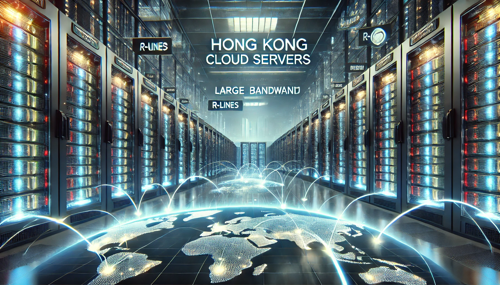
In today's Internet age, the performance and stability of a website are crucial to the success of a business. As online activity increases, peak traffic periods become a challenge that every website must face. To solve this problem, choosing large-bandwidth US high-defense servers has become the first choice for more and more companies. These servers not only handle large amounts of traffic, but also provide strong security protection to ensure the stability of the website at critical moments.
Challenges during peak traffic
Peak traffic times usually occur during specific periods, such as promotions, holidays, or popular events. During these time periods, the number of website visits surges, which can easily lead to server overload, slow response speed and even downtime. This not only affects the user experience, but also can cause considerable economic losses. Therefore, how to effectively deal with the challenges of peak traffic has become a matter that enterprises need to seriously consider.
Advantages of large bandwidth servers
The core advantage of a large bandwidth server is that it can provide higher data transmission rates. This means that as traffic surges, the server can process more requests at the same time, reducing latency and crashes due to traffic pressure. The large bandwidth configuration allows enterprises to maintain smooth access to the website during peak periods, thereby improving user satisfaction and conversion rates. In addition, as users' requirements for online experience increase, servers with large bandwidth are particularly important.
Security of American high-defense servers
In addition to its superior bandwidth performance, American high-defense servers also have strong security protection capabilities. This type of server is usually equipped with security mechanisms such as DDoS attack protection and traffic cleaning to resist various cyber attacks. At peak traffic, attackers may take advantage of this opportunity to launch a large-scale DDoS attack in an attempt to paralyze the website. High-defense servers can effectively identify and block malicious traffic during peak traffic periods, ensuring that normal users' access is not affected.
How to choose the right high-defense server
Choosing a suitable large bandwidth US high-defense server requires multiple factors to consider. First of all, enterprises should choose the appropriate bandwidth size and protection level based on their own traffic needs and budgets. Secondly, the geographical location of the server is also an important factor. Choosing a server closer to the target user can reduce latency and improve access speed. In addition, the credibility and technical support capabilities of the service provider are also important considerations to ensure timely assistance in the event of problems.
Application scenarios of high-bandwidth high-defense servers
Large bandwidth US high-defense servers are suitable for a variety of scenarios. For e-commerce websites, a stable server can ensure users’ smooth orders and improve sales performance during the promotion period. For high-traffic applications such as online games and live broadcast platforms, strong bandwidth and protection capabilities are the basis for maintaining a stable user experience. At the same time, for enterprise official websites and content management systems, such servers can also effectively deal with burst traffic and ensure accurate information transmission.
Summary and suggestions
To sum up, large-bandwidth US high-defense servers have played an irreplaceable role in dealing with the challenges of peak traffic. It not only provides stable performance, but also enhances the security of the website. When choosing a server, enterprises need to fully consider their own needs and budgets and choose the right service provider to ensure smooth operation during peak traffic. In today's digital transformation, investing in the right high defense server will bring long-term competitive advantages to the enterprise.
- Latest articles
- Popular tags
-
Teach You How To Choose A High-defense Server In The United States From A Security Compliance Perspective, Including Data Protection And Audit Requirements
Analyze how to choose a US high-defense server from the perspective of security and compliance, covering data protection, DDoS protection, access control, encryption strategies and audit requirements, helping enterprises achieve high availability and high security under the premise of compliance. -

How To Diagnose Common Network Hazards Of Exclamation Marks Appearing On US Servers In Data Centers
A practical guide for data center operation and maintenance: How to diagnose common network hazards caused by exclamation marks on US servers, covering physical connectivity, IP configuration, DNS, routing, firewalls and log troubleshooting methods. -

From The Perspective Of Latency Optimization, Which Network Access Methods Are Better For Hosting Servers In The United States?
analyze various network access methods for hosting servers in the united states from the perspective of latency optimization, compare the advantages and disadvantages of dedicated lines, backbone interconnection, bgp multi-line, cdn/anycast, etc., and provide executable selection and optimization suggestions.